Founding HONR

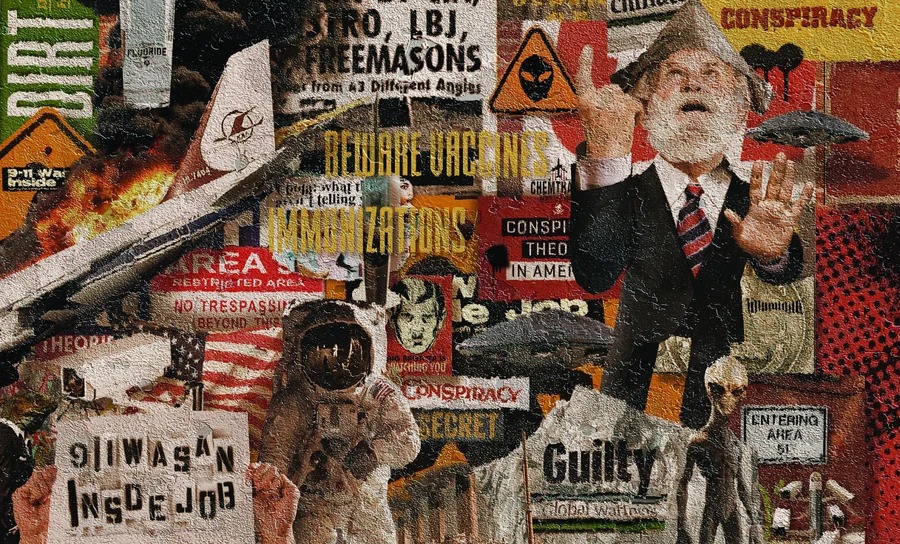
While publicly taking the brunt of the attacks from conspiracy theorists, behind the scenes, Lenny was amassing a small army of volunteers who helped him to locate and remove posts and pictures of his son and other victims from hoaxer and hate sites. Calling the loose knit community of volunteers the HONR Network, by mid-2014 Lenny and co had removed thousands of posts, blog sites, photos, and videos dedicated to intimidating the family and desecrating the memory of Noah and other victims. The success of these endeavors brought condemnation for the conspiracy theorists, hate groups, and individual harassers, who decried the removals of defaced photos of the six-year-old, personal details about the family, and calls to physically harm the Pozner family, as violations of their right to free speech.

However, Lenny’s successes didn’t quell the tide of hate. Emboldened by the lack of consequences from hosting and social media platforms, hoaxers expanded their focus and goaded followers to revisit the Virginia Tech and Century 16 movie theatre shooting in Aurora, Colorado to look for so called, “false flags.” Over the years, the families of victims and surviving victims themselves of shootings in Isla Vista and San Bernardino, California, the Pulse nightclub in Orlando, Florida, the Route 91 Harvest Festival in Las Vegas, and the Stoneman Douglas High School in Parkland, Florida, as well as the Boston Marathon bombing, all became targets. Despite the growing list of people hoaxers called their followers to blame, harass, and intimidate, Sandy Hook and the Pozner family remained the premier focus of some of the most prolific and aggressive of hate mongers.

In Dec 2014 conspiracy theorists found a "smoking gun" to inflame followers and exploit tragedy. View Hide
While mass-casualty events are rare, death and violence are not. As other families struggled with the death of their own loved ones in cases deemed “newsworthy” by the media, they often found themselves similarly bullied by anonymous, online harassers. Some seemed to focus on the race, religion, or sexual orientation of the victim, while other harassers simply taunted families by defacing pictures found on social media, making offensive claims about the victim, or rejoicing in the victim’s death. Largely unwilling to get involved, social media platforms turned a blind eye to attacks and victim’s families were left to fend for themselves. Word-of-mouth spread around the dark recesses of the internet that Lenny Pozner had become successful in getting defaced photos of Noah removed from social media platforms. Hoping for guidance and assistance in protecting the memories and reputations of their own loved ones, grieving families reached out, in mass. In fact, Lenny had become quite adept at removing photos of his son. While social media and hosting platforms ignored his requests to remove content due to harassment, intentional infliction of emotional distress, and even privacy, despite the fact that these issues are all covered by basic civil rights protections in the US, companies were quick to remove photos protected by copyright. By asserting his ownership and copyright over the photos of his family, Lenny was able to make headway against the hate. Sharing his experience, instruction, and advice with others similarly victimized, the HONR Network quickly became the “go-to” for people dealing with attacks from hoax and hate sites, as well as from vile individuals focused on inflicting additional pain on victim’s families.
causing emotional anguish, fear, and damage to their personal and professional reputations. Together, through empowerment, education, and advocacy we can effect change and help to create a safer more inclusive online experience for all. Help us achieve this goal.
  • Legal achievements

    Lenny Pozner’s tireless pursuit of hoaxers and harassers who targeted him and his family in the wake of the Sandy Hook tragedy has resulted in legal precedent that makes it easier for other victims of online abuse to seek justice in court.

    Additionally, legislation is changing both in the US and around the world, to better reflect advances in technology.

    Keep up-to-date on legal achievements that protect us all from online abuse
  • 1 in 5 american adults

    have experienced prolonged online hate and harassment campaigns classified as severe, including threats of violence, sexual harassment, mobbing, pressure to suicide, pressure to quit their job, harassment that continues offline, and stalking.*

    Together, through empowerment, education, and advocacy we can effect change and create a safer more inclusive online experience for all.

    Help us achieve this goal.

Families of victims of other publicized attacks reached out to Lenny in solidarity and for advice View Hide
While mass-casualty events are rare, death and violence are not. As other families struggled with the death of their own loved ones in cases deemed “newsworthy” by the media, they often found themselves similarly bullied by anonymous, online harassers. Some seemed to focus on the race, religion, or sexual orientation of the victim, while other harassers simply taunted families by defacing pictures found on social media, making offensive claims about the victim, or rejoicing in the victim’s death. Largely unwilling to get involved, social media platforms turned a blind eye to attacks and victim’s families were left to fend for themselves. Word-of-mouth spread around the dark recesses of the internet that Lenny Pozner had become successful in getting defaced photos of Noah removed from social media platforms. Hoping for guidance and assistance in protecting the memories and reputations of their own loved ones, grieving families reached out, in mass. In fact, Lenny had become quite adept at removing photos of his son. While social media and hosting platforms ignored his requests to remove content due to harassment, intentional infliction of emotional distress, and even privacy, despite the fact that these issues are all covered by basic civil rights protections in the US, companies were quick to remove photos protected by copyright. By asserting his ownership and copyright over the photos of his family, Lenny was able to make headway against the hate. Sharing his experience, instruction, and advice with others similarly victimized, the HONR Network quickly became the “go-to” for people dealing with attacks from hoax and hate sites, as well as from vile individuals focused on inflicting additional pain on victim’s families.
26% of american adults have had untrue information posted about them online View Hide
causing emotional anguish, fear, and damage to their personal and professional reputations. Together, through empowerment, education, and advocacy we can effect change and help to create a safer more inclusive online experience for all. Help us achieve this goal.
  • Legal achievements

    Lenny Pozner’s tireless pursuit of hoaxers and harassers who targeted him and his family in the wake of the Sandy Hook tragedy has resulted in legal precedent that makes it easier for other victims of online abuse to seek justice in court.

    Additionally, legislation is changing both in the US and around the world, to better reflect advances in technology.

    Keep up-to-date on legal achievements that protect us all from online abuse

    Read more
  • 1 in 5 american adults

    have experienced prolonged online hate and harassment campaigns classified as severe, including threats of violence, sexual harassment, mobbing, pressure to suicide, pressure to quit their job, harassment that continues offline, and stalking.*

    Together, through empowerment, education, and advocacy we can effect change and create a safer more inclusive online experience for all.

    Help us achieve this goal.

    Donate now