
HONR POSITIONS
As the HONR Network expands, we are frequently asked for our positions on topics such as social media providers’ responsibility, free speech, internet use, education, conspiracy theorists, and how to make the internet a safer, more inclusive space. The following positions are those of the HONR Network as an organization.
SECTION 230
The HONR Network supports clarifying the role of social media providers under Section 230, with a clear, concise statement of social media’s responsibility to end-users and the consequences for failure to act.
Section 230 has been misused by social media providers, who have often used it to avoid taking action when their platforms are being weaponized. One of the chief problems that we have had with platforms is the apathetic and inconsistent response to removals. In some cases, we have reported duplicate content in multiple places only to have one removed quickly, while others remain up for weeks or even months.
By establishing social media platforms’ responsibility, they can implement better procedures to address user misuse quickly.
INTERNET COURT AND JUDICIAL ACTION
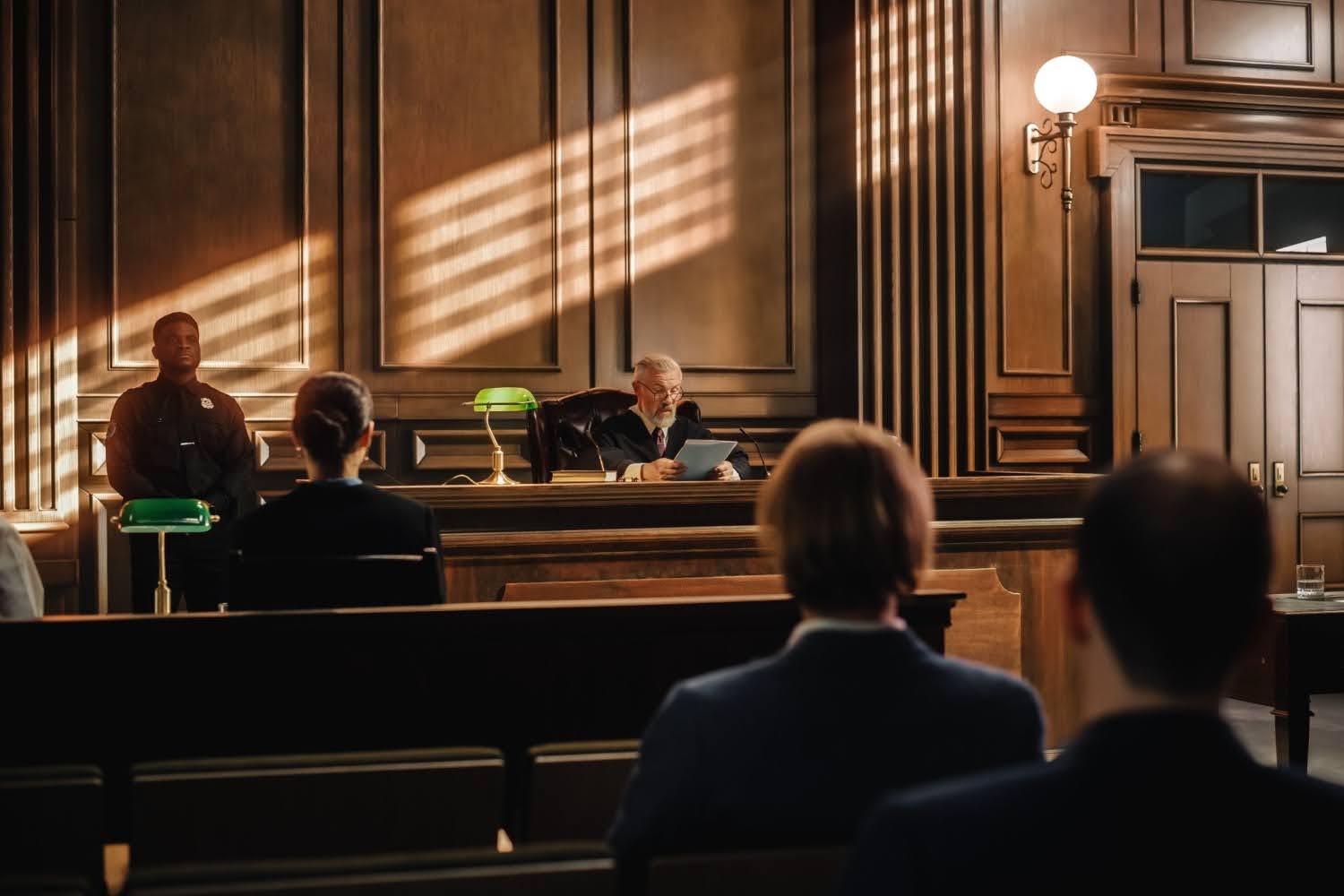
The HONR Network urges law makers to create local “internet courts” to deal with lower level civil rights violations.
In the same way that drug courts take a community approach to dealing with drug addiction and lower level drug crime, it is time for the judicial system to implement internet crime specific courts.
One of the chief barriers to justice for victims is the inability to effectively prosecute abusers. The cost of a traditional civil defamation case can reach into the tens of thousands of dollars and take years. Law enforcement is often ignorant of the existing laws or impotent due to prosecutors who see internet crime as comparatively trivial.
We believe that creating a drug court model for prosecuting online harassment, abuse, and defamation is the right way forward.
EDUCATION
The HONR Network urges social media platforms to invest in educating users about their online rights and responsibilities.
One of the most surprising aspects of dealing with online hate and abuse is the lack of awareness, on the part of abusers, that what they are doing is wrong or illegal. Many people have a fundamental lack of understanding about the limitations of free speech and the First Amendment.
Social media platforms have an opportunity and obligation to educate users and, in doing so, protect victims from ignorance-based abuse.
VICTIMS ARE TARGETED
Victims and the families of victims, from every mass crisis event (mass shooting, school and church shootings, terrorist attacks, etc.) in the United States since 2013, have contacted HONR for advice and assistance on dealing with online hate, harassment, conspiracy theories, defamation, stalking, and threats.*
Together, through empowerment, education, and advocacy, we can effect change and create a safer, more inclusive online experience for all.
Please help us achieve this goal.
Subscribe
Sign up with your email address to receive news and updates.
We respect your privacy.