“My right to swing my fists ends where another man’s nose begins.”
For at least 200 years, this simple concept has been used to illustrate the natural limitations of personal freedom. While I have the right to swing my arms wildly, when doing so intersects with or impedes the right of someone else (in this case the right not to be assaulted), my freedom ends.
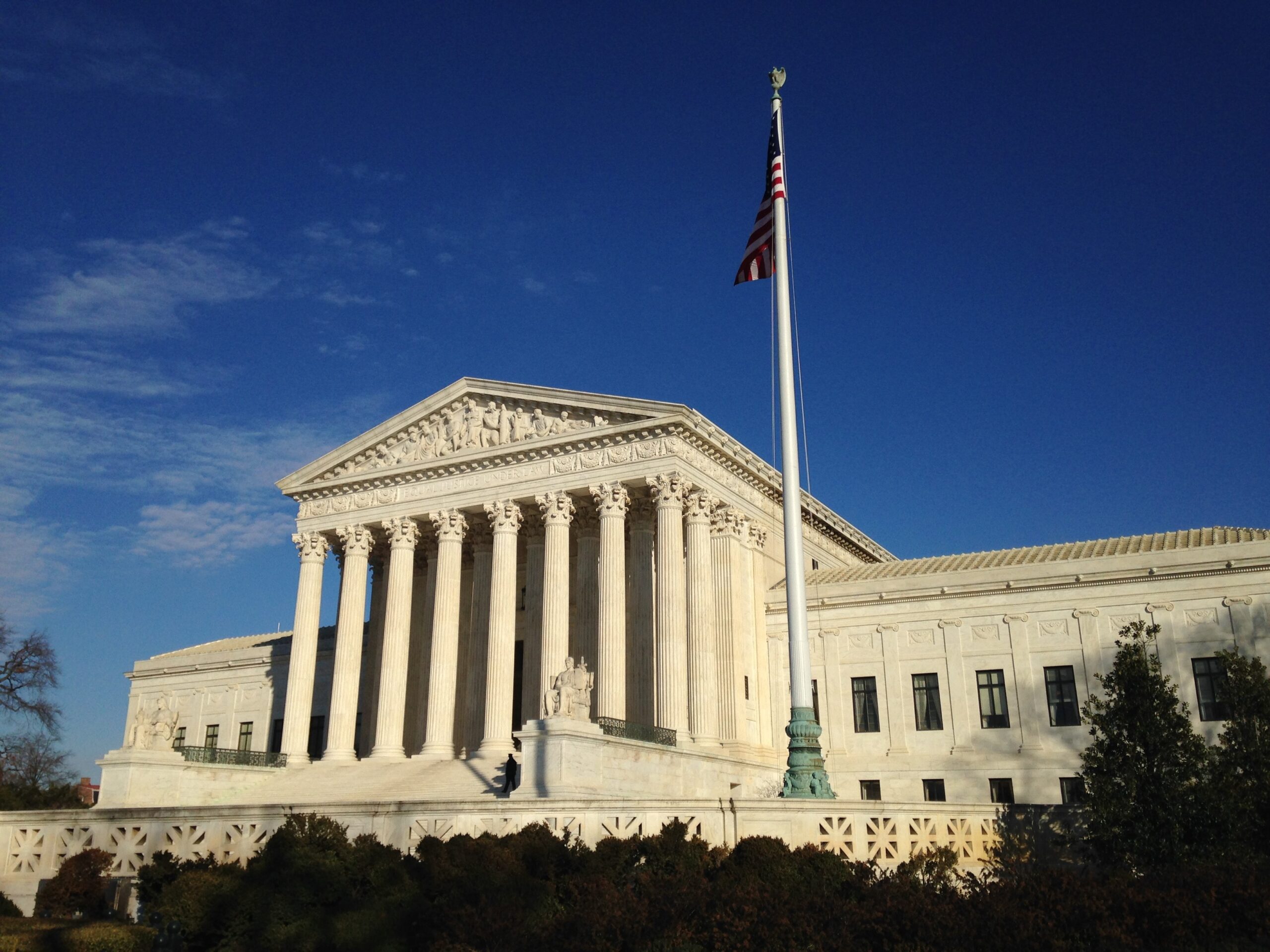
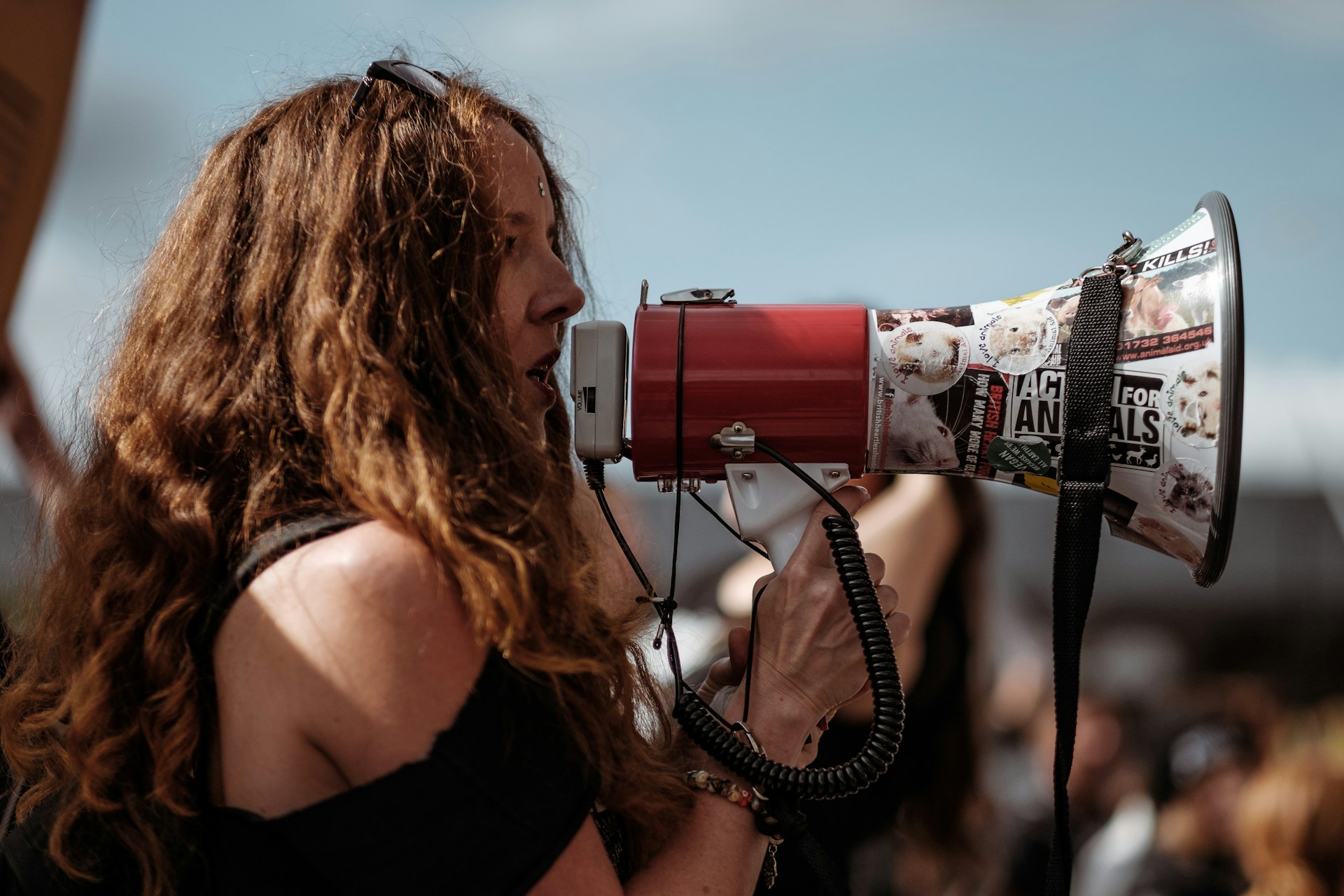
We have a rich tradition in this country that allows people to freely express themselves with their words, art, music, and movement. When these words and images cause offense and make it into either the news cycle or into the court room, the right to free expression has routinely been upheld. I have the right to make offensive art, publish offensive works, or to say offensive things, provided that others have the right to NOT consume those offensive works AND provided that I haven’t violated the law by using words or images that are not protected.
This essentially means that I have the right to make offensive songs, but you have the right to not download that track, to not buy a ticket to my concert, or to turn the dial if my song comes on the radio. You have the right to NOT consume things that offend you, but that doesn’t impede my right to create those things.
However, while I may have the right to freely express myself, that right ends if my chosen form of expression impedes your right to be free from defamation, free from harassment, violates your copyright, etc.