How to Report Online Hate and Hoax Harassment
Last updated:
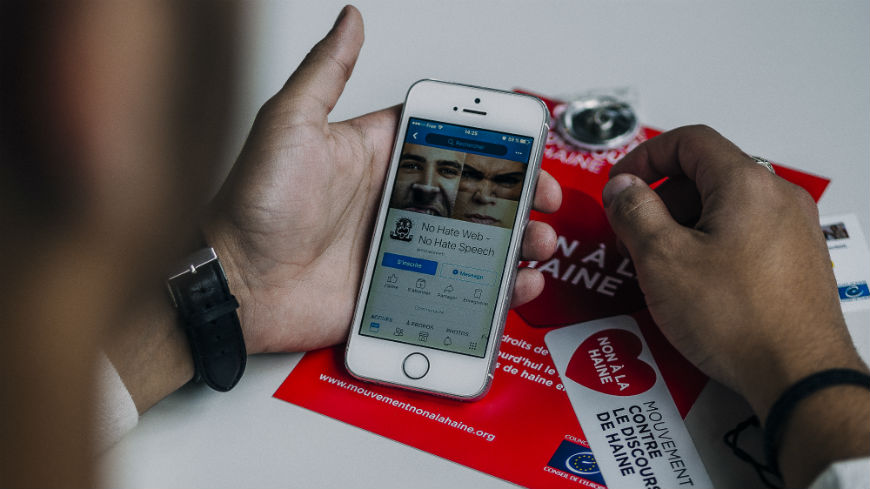
To report online hate or hoax harassment, save the link and a screenshot, report the post using the platform’s own form, and, if it targets you, request delisting from search through Google’s legal or personal-content forms. HONR Network, founded by Sandy Hook father Lenny Pozner, helps victims report content and pursue copyright and privacy options.
How to report online hate, step by step
Save the evidence
Before you report anything, save the post’s URL, a screenshot, the date and the account name. Posts are often deleted or edited once they are reported.
Report it on the platform
Use the platform’s own reporting tool and pick the closest rule (harassment, hate speech, privacy, impersonation):
If it’s your photo or your family’s photo, use copyright
If you or a family member took the photo, you can send a DMCA takedown notice to the site or its host. See the U.S. Copyright Office DMCA page and Google’s legal removal requests.
Ask Google to delist it from search
Delisting from search removes a page from Google results; it does not delete the page. Use Google’s personal-content and doxxing removal tool, or its legal request form for defamation.
Report threats to law enforcement
Report threats of violence to your local police and to the FBI at tips.fbi.gov. You can also report a hate crime to the U.S. Department of Justice.
Tell HONR Network
Share the link with HONR through the Link Share form below, or contact HONR Network. Volunteers review links for illegal content and terms-of-service violations and help flag them.
Reporting online hate: FAQ
Can I get hoax content about my family removed from Google?
Google can remove some pages from its search results. That is delisting from search, not removal from the web: the page stays online unless the site or its host takes it down. Use Google’s personal-content tool for doxxing and personal information, and its legal removal request for defamation or copyright.
Does copyright work for photos of a loved one who died?
Often, yes. Whoever took a photo usually owns its copyright, so a photo you or a family member took is yours to enforce. You can send a DMCA takedown notice to the site or its host and ask Google to delist the page. A photo taken by someone else, such as a news photographer, belongs to them.
What if the platform ignores my report?
Keep your evidence and report again, naming the specific rule the post breaks. If it uses your photos or personal information, use a copyright notice or Google’s delisting-from-search forms. Report threats to local police or the FBI. You can also contact HONR Network, whose volunteers help victims report content.
One way that we can all contribute to a safer and more civil internet, and a freer exchange of ideas, is to actively participate in the removal of hate when we come across it online. Hate and harassment of which you are NOT the direct focus, can be reported in one of two ways, either through the social media or internet providers flagging system or through the HONR Link Share Program, which helps evaluate and share links with other HONR Friends and Volunteers for mass flagging.
Direct flagging
Social media platforms suggest that “flagging” a post or photo that you believe is either illegal or a violation of their TOS (terms of service) is the most effective way of reporting hate. Each platform has it’s own procedure for flagging content. Look at the corners of a violating post or photo for a small flag icon or a group of dots or dashes that trigger a drop-down menu with different reporting or flagging options
HONR link share program
66% of harassment
Online harassment takes place on social media and app platforms. Since harassers often hide behind anonymity, these social media providers are often the only source of relief and protection for victims. Historically, less than 25% of harassment complaints online resulted in removal of harassing content or personal information. However, social media platforms are starting to take online harassment more seriously and are dedicating more funding to ending online harassment.* Together, through empowerment, education, and advocacy we can effect change and create a safer more inclusive online experience for all. Help us achieve this goal. Donate Now