
After a gunman murdered Lenny Pozner’s child, conspiracy theorists relentlessly attacked Pozner online. Then they came for him in person.
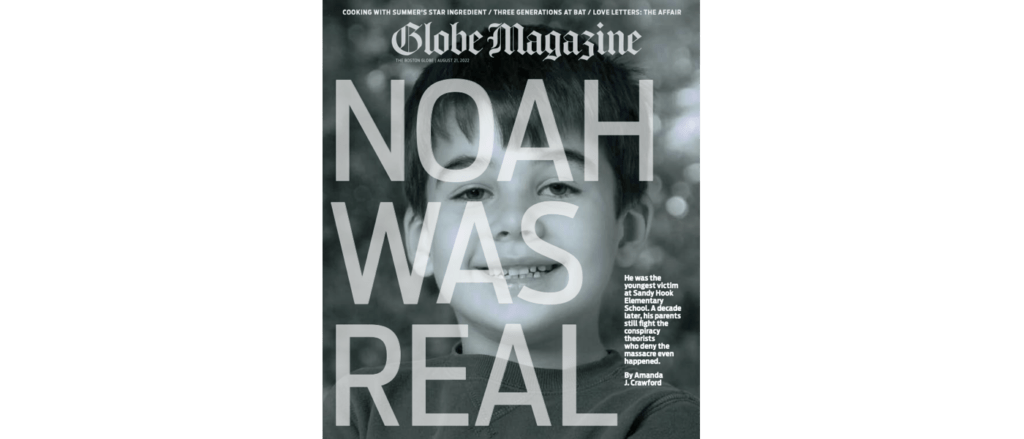
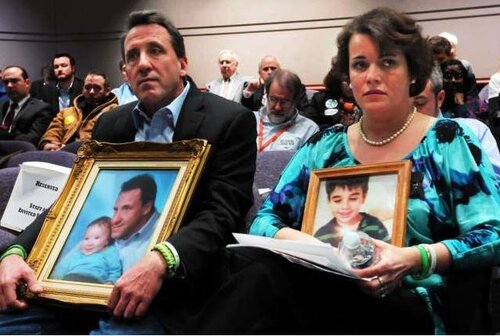
Pozner’s 6-year-old son, Noah, was one of 26 people killed in the shooting at Sandy Hook Elementary School eight years ago. Shortly after, conspiracy theorists took to the web to spread lies, saying the shooting was staged and that people like Pozner were being paid to fake children’s deaths.
Pozner fought back, obtaining copyright for photos of his son and asking platforms to remove the false information. That is when he became a target.
People posted his personal, identifying information online, in a practice known as doxing. Without warning, the information was available in public forums, including his birthdate, his social security number, and the addresses and photos of homes he had lived in going back almost two decades. To stay ahead of the threats, he has moved his family more than half a dozen times.
But harassers have still found him. Pozner was once in court to obtain a restraining order for someone cyberstalking him when another stalker showed up outside the courtroom to taunt him in person.
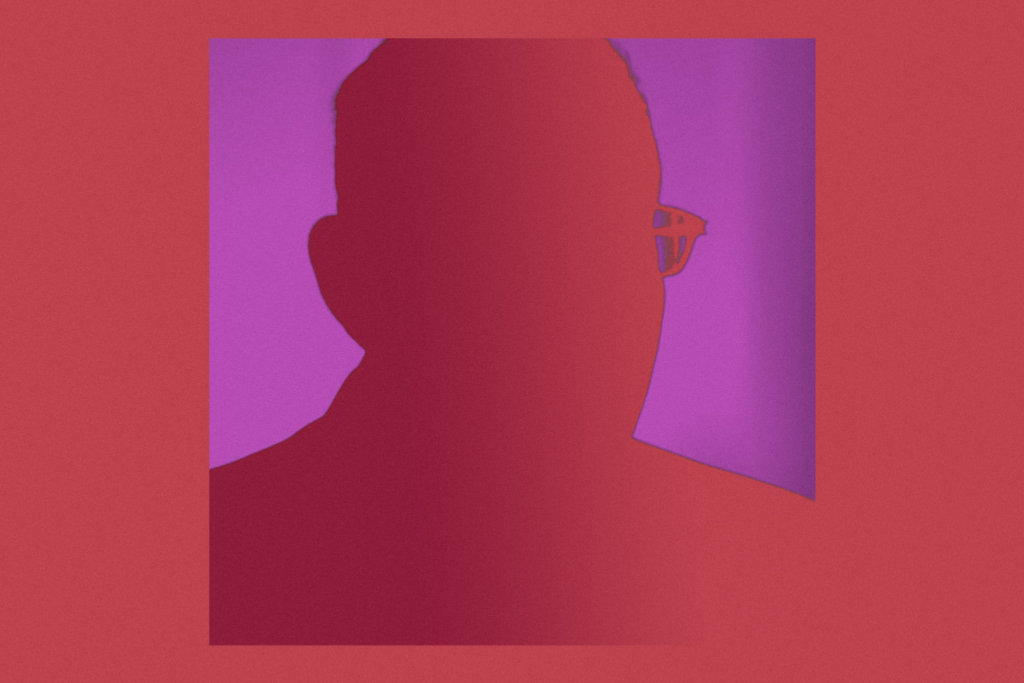
For his safety, theatrical makeup artists created a disguise for him to wear during his 60 Minutes interview with Scott Pelley, which was shot before the pandemic.
“There isn’t any longer a separation between the online world and the offline world,” Pozner said. “What is said about you will carry over into your personal life, into your career, into your relationships, into your community. And it will impact your life.”
Pozner’s story demonstrates that fighting back against online harassers can be challenging—and often requires the victim to be proactive.
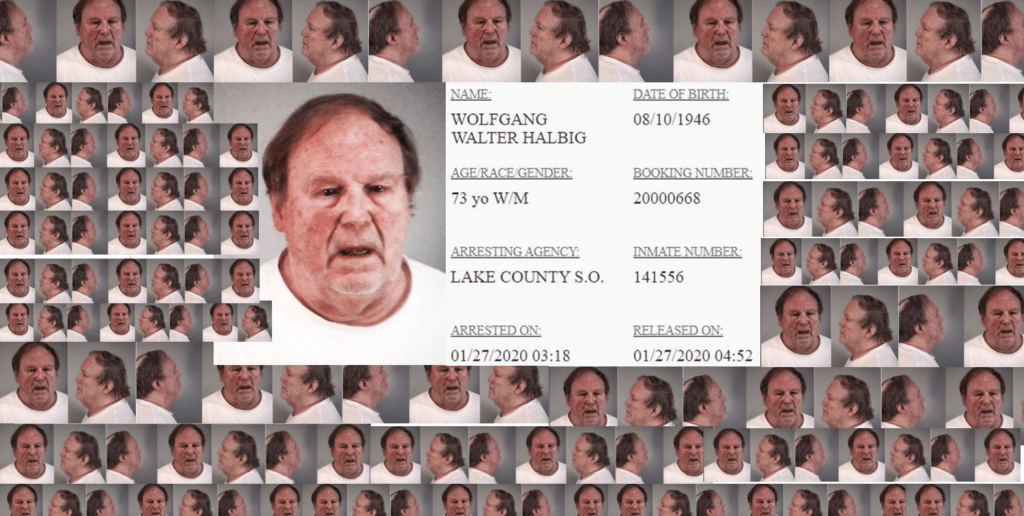
Four years after his son’s murder, Pozner turned to the FBI for help. A woman who believed the Sandy Hook shooting was a hoax left threatening voicemails for him, including one that said, “You are going to die. Death is coming to you real soon.” That woman, Lucy Richards, was eventually sentenced to five months in prison.
Related Posts